Tailor Machine and Tailoring: Technology, Benefits, and Usage
Introduction
Tailoring is an essential skill that has been practiced for generations to create, alter, and repair clothing. With the advancement of technology, tailor machines have evolved significantly, making the tailoring process faster, more accurate, and more efficient. Modern tailoring combines traditional craftsmanship with innovative technology to meet the growing demands of the fashion and garment industry.
What Is a Tailor Machine?
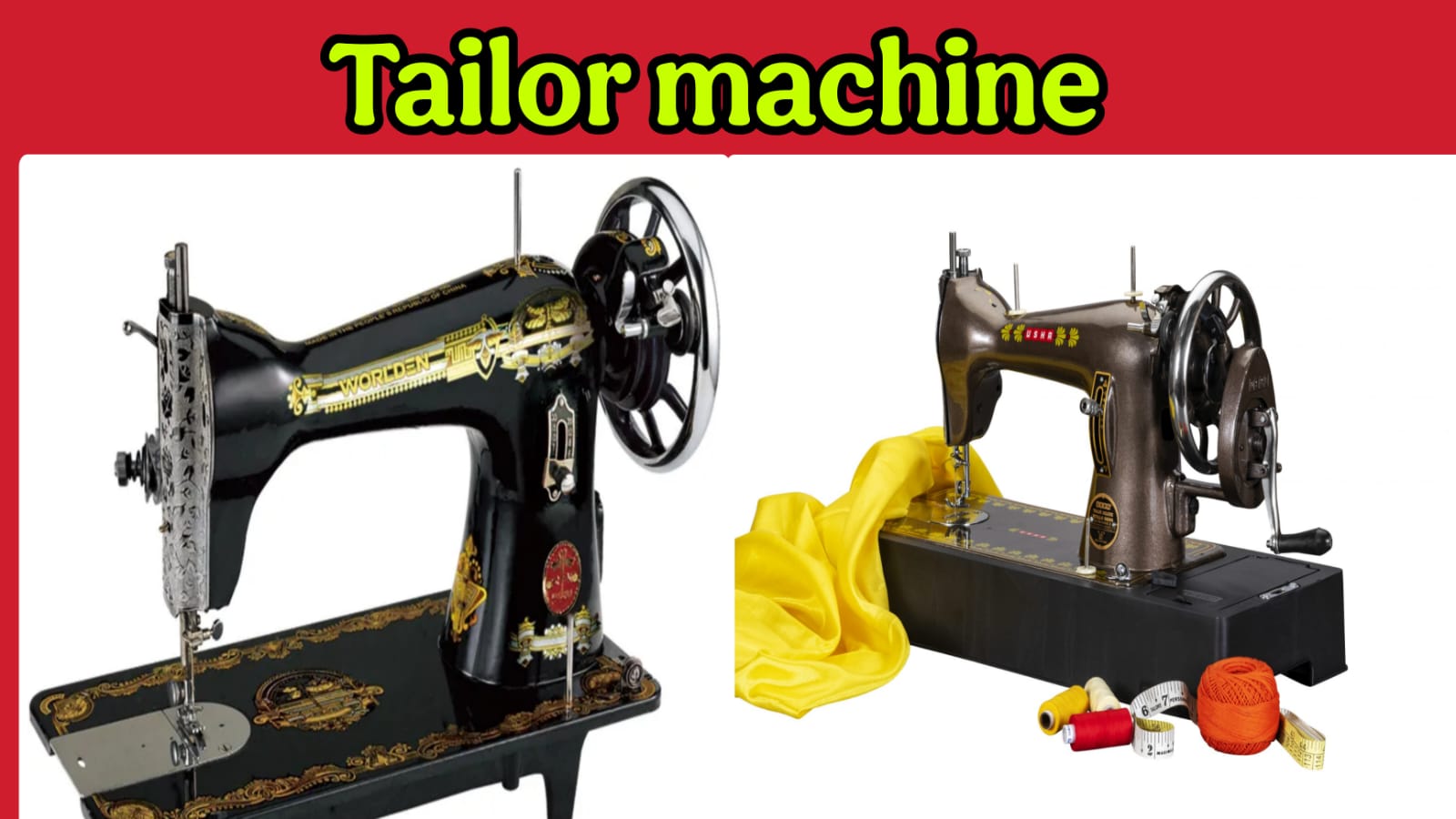
A tailor machine, commonly known as a sewing machine, is a device used to stitch fabric and other materials together with thread. These machines are available in various types, including manual, electric, computerized, and industrial models. They help tailors produce high-quality garments while reducing the time and effort required for sewing.
The Role of Technology in Modern Tailoring
Technology has transformed the tailoring industry by introducing advanced sewing machines equipped with automated features. Computerized machines can perform multiple stitching patterns, embroidery designs, and buttonhole functions with precision. Digital measuring tools, fabric-cutting machines, and design software have further improved productivity and accuracy.
Modern tailoring businesses also use online measurement systems, fashion design applications, and customer management software to streamline operations. These technological innovations help tailors deliver better results and enhance customer satisfaction.
Benefits of Tailor Machines
Tailor machines offer numerous advantages for both professional tailors and beginners. One of the primary benefits is increased efficiency, as machines can complete stitching tasks much faster than hand sewing. They also provide consistent stitch quality, ensuring durability and a professional finish.
Tailor machines reduce physical effort and allow users to handle complex sewing projects with ease. Advanced machines offer decorative stitches and embroidery options, enabling greater creativity in garment design. Additionally, they help save time, improve productivity, and increase overall profitability for tailoring businesses.
Common Uses of Tailor Machines
Tailor machines are widely used for creating new garments such as shirts, dresses, trousers, skirts, and traditional wear. They are also useful for altering clothing to achieve a better fit. Many people use sewing machines for repairing torn fabrics, replacing zippers, and fixing seams.
In addition to clothing production, tailor machines are used for home décor projects, including curtains, cushion covers, tablecloths, and upholstery work. Industrial sewing machines play a vital role in large-scale garment manufacturing, producing thousands of pieces efficiently.
Types of Tailor Machines
Different types of tailor machines are designed for specific purposes. Manual sewing machines are suitable for basic stitching and are often preferred for their simplicity. Electric sewing machines provide greater speed and convenience. Computerized machines offer advanced features, including automatic stitching patterns and embroidery functions.Industrial sewing machines are built for heavy-duty use and high-volume production in garment factories.
How Tailor Machines Improve Productivity
Tailor machines significantly enhance productivity by reducing the time required for sewing tasks. Automated functions eliminate repetitive manual work, allowing tailors to focus on design and customization. Faster production enables businesses to handle more customer orders and meet deadlines effectively. Improved efficiency also contributes to higher income and business growth.
Future of Tailoring Technology
The future of tailoring is expected to become even more advanced with the integration of artificial intelligence, smart sewing machines, and automated garment production systems. These innovations will help improve precision, reduce waste, and create customized clothing based on individual customer preferences.
Benefits of Using a Tailor Machine for Long Hours
Using a tailor machine regularly helps increase sewing speed and accuracy. Professional tailors can complete more orders within a shorter time, leading to improved income and customer satisfaction. Continuous practice also enhances sewing techniques, fabric handling skills, and creativity in garment design.
Modern sewing machines are designed to operate efficiently for extended periods, making them suitable for both commercial and personal use. With proper maintenance, a tailor machine can serve reliably for many years.
Health Effects of Long-Term Tailor Machine Usage
Sitting in the same position for long hours may cause back pain, neck strain, and shoulder discomfort. Repetitive hand and foot movements can lead to muscle fatigue and joint stress. Eye strain is also common when focusing on detailed stitching work for extended periods.Poor posture and inadequate lighting can further increase physical discomfort. Therefore, maintaining a comfortable workspace is important for long-term sewing activities.
Importance of Machine Maintenance
A tailor machine that is used frequently requires regular cleaning and lubrication. Dust, fabric fibers, and thread particles can accumulate inside the machine, affecting performance. Proper maintenance helps prevent breakdowns, reduces noise, and ensures smooth stitching.Regular inspection of needles, bobbins, belts, and moving parts can significantly extend the lifespan of the sewing machine.
Conclusion
Tailor machines have revolutionized the tailoring industry by combining traditional sewing techniques with modern technology. Their ability to improve efficiency, accuracy, and creativity makes them indispensable tools for both professional tailors and hobbyists. As technology continues to evolve, tailoring will become more innovative, productive, and accessible, opening new opportunities in the fashion and garment sector.