Trending Tattoo Photo Editing
Tattoo photo editing has become one of the biggest visual trends on social media platforms like Instagram and Pinterest. People are no longer just showing tattoos; they are creating cinematic, stylish, and artistic visuals that turn simple tattoo photos into powerful digital artwork.
Modern editing styles focus on realism, mood, and personality, making each tattoo image look professional and eye-catching.
Rise of Tattoo Editing Culture
With the growth of digital photography and editing apps, tattoo photography has evolved into a creative art form. Many creators edit their photos to highlight details, improve lighting, and enhance contrast so the tattoo appears sharper and more expressive. Online trends show that tattoos are now treated as fashion accessories and personal storytelling elements rather than just body art.
Popular Editing Styles in 2026
Recent trends show a strong preference for minimal and realistic editing styles. Fine-line tattoos and micro designs are often edited using soft shadows and natural skin tones to maintain authenticity. Hyper-realistic editing with subtle contrast is also popular because it adds depth without making the tattoo look artificial. Personalized and emotional designs are becoming dominant, reflecting individuality and meaning in visual presentation.
Dark Aesthetic and Cinematic Effects
One of the most trending editing styles is the dark aesthetic look. Editors use black backgrounds, rim lighting, and shadow effects to create a cinematic atmosphere. This style focuses attention on the tattoo while hiding distractions. High contrast, selective lighting, and dramatic angles help transform a normal photo into a professional poster-style image.
Social Media Influence
Social media plays a major role in shaping tattoo editing trends. Creators often adjust color balance, exposure, and texture to match Instagram aesthetics. Online communities also discuss how lighting and editing can make tattoos appear more polished while still looking realistic. Many photographers aim to recreate how the tattoo looks in real life instead of overly filtered images.
Tips for Better Tattoo Photo Editing
Good tattoo editing starts with proper lighting and a clear photo. Natural light enhances details, while balanced contrast helps lines stand out. Editors usually reduce skin redness, sharpen edges slightly, and keep colors natural to avoid an artificial appearance. The goal is enhancement, not transformation.
Concept of Tattoo Editing
Tattoo editing involves digitally placing a tattoo design onto a photo using editing software or mobile applications. The goal is to make the tattoo appear as if it truly exists on the person’s body. Editors carefully adjust lighting, shadows, skin texture, and color tones so the design matches the original image perfectly.
Choosing the Right Tattoo Design
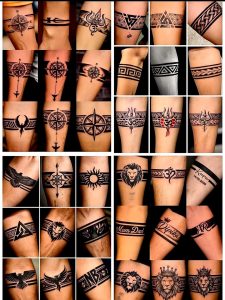
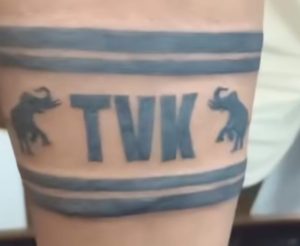
Selecting the right tattoo design is important to create emotional impact. Couples often choose names, initials, hearts, meaningful quotes, dates, or symbolic artwork that represents their relationship. The design should match the mood of the photo and suit the body area where the tattoo is placed, such as the arm, wrist, neck, or shoulder.
Editing Process
The editing process usually starts by importing the lover’s image into a photo editing app. The tattoo design is added as a new layer and resized to fit naturally on the skin. Editors reduce opacity, adjust blending modes, and apply blur or texture effects to make the tattoo merge realistically with the skin surface. Proper shadow and highlight adjustments help achieve a professional look.
Prompt:
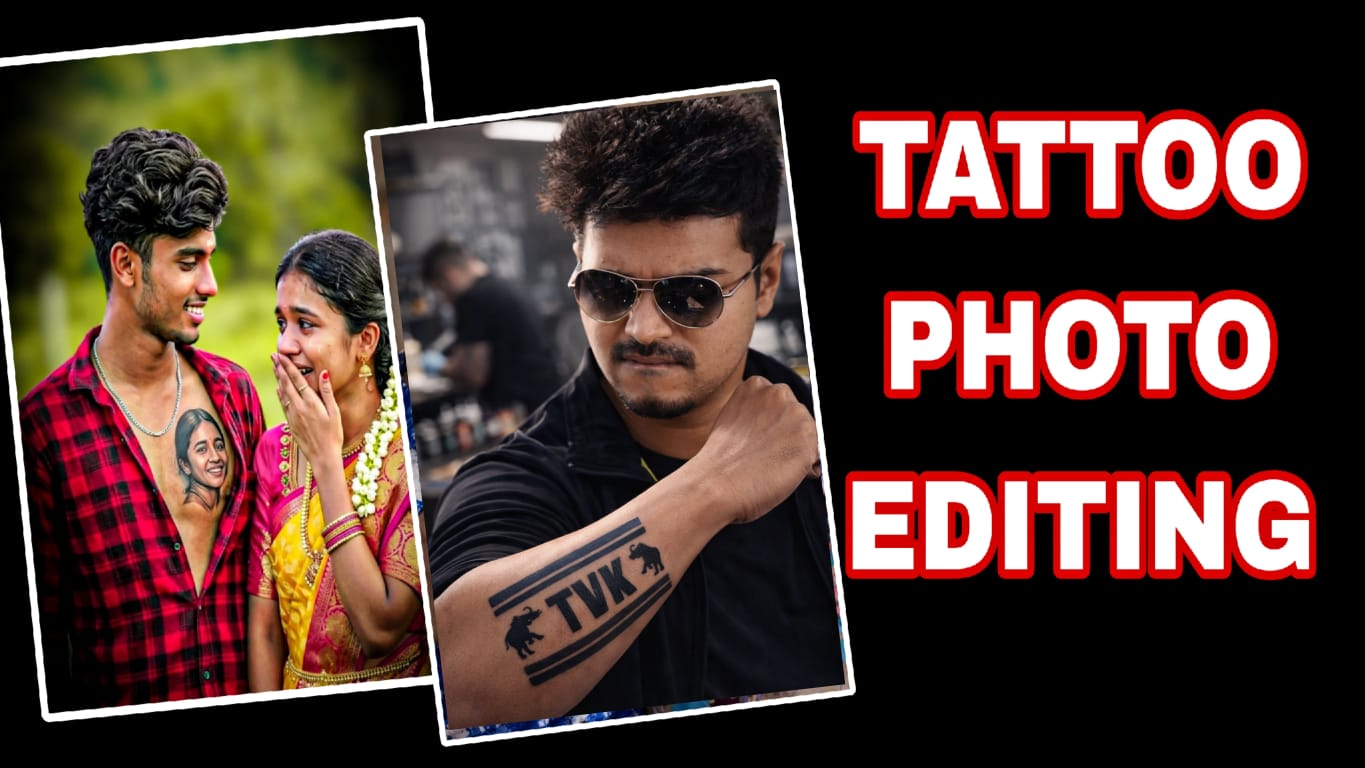
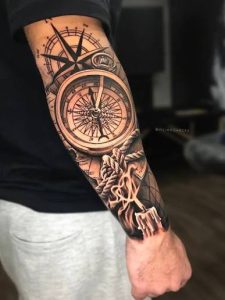
Convert the uploaded image into a realistic portrait of a person in a professional tattoo studio environment. Keep 100% accurate facial identity, skin tone, expression, and body proportions unchanged. Add a bold, clean black tattoo on the left forearm, clearly visible to the camera (arm slightly raised or flexed). Tattoo should be sharp, well-defined, and naturally blended with skin texture (no fake or sticker look). Remove any watch, bracelet, or accessories from the wrist and forearm. Enhance with: natural studio lighting (soft key light + subtle background blur) ultra-detailed skin texture with pores realistic shadows and depth sharp focus on face and tattoo professional DSLR quality Background: modern tattoo studio with blurred equipment, ink bottles, and an artist working in the background. Style: ultra-realistic, cinematic, high detail, 8K quality ratio 9.16
Popular Editing Apps & emotionly
Many mobile apps make tattoo editing simple even for beginners. Applications like PicsArt, Photoshop, Snapseed, and Lightroom allow users to add overlays, adjust tones, and enhance realism. These tools provide brushes, blending options, and filters that help create cinematic-quality edits.Tattoo editing is more than just a visual effect; it is a creative way to express love and connection. Edited images can be shared on social media, used as profile pictures, or kept as digital memories. Since the tattoo is digital, it allows experimentation without any permanent commitment.

Prompt:
Ultra-realistic emotional couple portrait, 8K, cinematic photography, natural skin texture with visible pores.A young Indian couple standing very close indoors. The man has MY EXACT FACE and MY EXACT HAIRSTYLE from my uploaded image (match hairline, volume, direction, texture, no changes). He slightly tilts his head down with a soft emotional smile and gently opens the left side of his shirt collar using one hand.On his chest, there is a highly realistic black-and-grey tattoo of a smiling woman’s face, designed like a professional tattoo artist work — detailed shading, natural ink spread, skin integration, slight redness and healed texture, perfectly following chest contours (NOT transparent, NOT glowing, NOT edited overlay — it must look permanently inked on skin).The woman stands close to him on the right side:
Conclusion
Trending tattoo photo editing combines creativity, technology, and personal expression. Modern styles emphasize realism, storytelling, and aesthetic presentation. As digital tools continue to evolve, tattoo editing will remain a powerful way for people to showcase identity and artistic vision through visually striking images.
Tattoo photo editing on a lover’s image combines creativity, emotion, and technology. With the right design and editing techniques, anyone can create realistic and meaningful tattoo effects that enhance photographs while preserving special memories in a unique artistic form.